
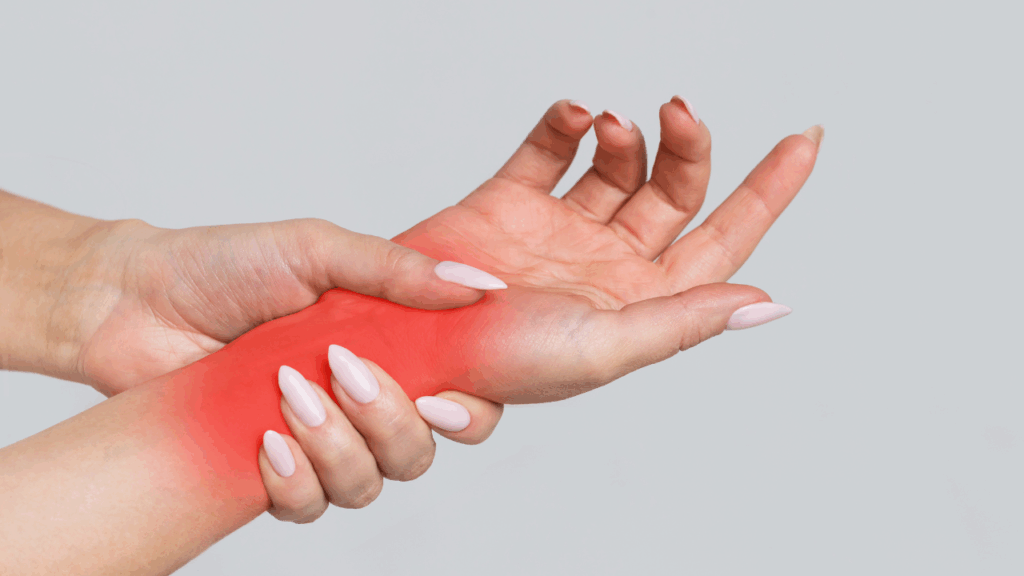
Complex Regional Pain Syndrome (CRPS) is a chronic pain condition that often develops after an injury, surgery, stroke, or heart attack. Despite its potentially severe symptoms, CRPS is notoriously difficult to diagnose due to its wide range of manifestations and similarities to other medical conditions. For patients in Rowlett, TX, early recognition and expert evaluation can make a significant difference in treatment outcomes.
What Is CRPS (Complex Regional Pain Syndrome)?
CRPS is a neuropathic pain disorder that primarily affects one limb, typically after trauma or injury. It is believed to involve abnormal responses in the peripheral and central nervous systems. While it can develop from something as minor as a sprain, CRPS causes pain that is far more severe and prolonged than what would normally be expected.
There are two types of CRPS:
- CRPS-I: No confirmed nerve injury.
- CRPS-II: Clear evidence of nerve injury.
In both cases, symptoms can be intense, long-lasting, and life-altering.
Early Warning Signs and Symptoms of CRPS
Recognizing early CRPS symptoms is vital for timely intervention. Common warning signs include:
- Persistent, burning pain disproportionate to the original injury.
- Swelling in the affected area.
- Changes in skin temperature, alternating between warm and cold.
- Color changes in the skin, ranging from red to bluish.
- Skin texture changes, becoming thin, shiny, or sweaty.
- Increased sensitivity (allodynia) where even light touch causes pain.
- Muscle stiffness or weakness.
- Joint swelling and reduced mobility.
The challenge is that these symptoms vary between patients and may develop gradually.
Why Is CRPS So Difficult to Diagnose?
1. Symptoms Overlap with Other Conditions
Many CRPS symptoms, such as swelling, color changes, and persistent pain, mimic those of arthritis, neuropathy, or vascular disorders.
2. No Definitive Test
There is no single laboratory test or imaging scan that confirms CRPS. Diagnosis is largely clinical, based on medical history, symptom patterns, and physical examination.
3. Variable Progression
Some patients experience rapid onset and worsening symptoms, while others develop CRPS gradually. This variability can delay diagnosis.
4. Limited Awareness
Because CRPS is relatively rare, some healthcare providers may not consider it in the early stages, leading to misdiagnosis.
How CRPS Is Diagnosed
Physicians typically rely on Budapest Criteria, which assess sensory, vasomotor, sudomotor/edema, and motor/trophic changes. Diagnostic steps may include:
- Detailed medical history review
- Physical examination for swelling, temperature changes, and movement issues
- Bone scans to detect bone density changes
- Sympathetic nerve blocks to assess pain response
- MRI or X-rays to rule out other causes
Why Early Diagnosis Matters
The earlier CRPS is identified, the greater the chance of preventing long-term disability. Without prompt treatment, CRPS can lead to:
- Muscle wasting (atrophy)
- Joint stiffness and contractures
- Spread of symptoms to other body parts
CRPS Treatment Options in Rowlett, TX
At the Interventional Pain and Rehab Center, our approach to CRPS treatment focuses on reducing pain, restoring mobility, and improving quality of life. Dr. Hammad Baig, a double-boarded Pain Management Specialist in Rowlett, TX, provides personalized treatment plans that may include:
- Medications: Anti-inflammatory drugs, nerve pain medications, and corticosteroids.
- Physical therapy: To maintain or restore mobility and strength.
- Nerve blocks: Sympathetic nerve blocks to reduce pain.
- Spinal cord stimulation: For severe, treatment-resistant cases.
- Occupational therapy: To improve daily functioning.
- Psychological support: To address the emotional challenges of chronic pain.
If you are experiencing symptoms, don’t wait. Contact us to schedule a consultation and explore treatment options.
Living with CRPS
CRPS can be overwhelming, but with the right support, patients can regain control of their lives. Education, self-care, and professional guidance are essential. Patients should:
- Follow prescribed therapies consistently.
- Keep the affected limb moving to avoid stiffness.
- Seek emotional support from family, friends, or counseling.
Conclusion
CRPS is a complex condition that demands expert attention. Its difficulty in diagnosis lies in its varied symptoms, lack of definitive testing, and overlap with other disorders. For residents of Rowlett, TX, early recognition and specialized care from an experienced pain management team can be life-changing. If you suspect you may have CRPS, book an appointment with Dr. Hammad Baig today and take the first step toward relief. You can also contact us to learn more about your options.
FAQs
- What causes CRPS?
The exact cause isn’t fully understood, but it may involve abnormal inflammation and nerve dysfunction after an injury. - Can CRPS go away on its own?
Some mild cases improve over time, but early treatment increases the chance of recovery. - Is CRPS a lifelong condition?
With prompt treatment, many patients can achieve significant improvement, though some experience long-term symptoms. - How is CRPS different from regular nerve pain?
CRPS usually includes changes in skin color, temperature, and swelling in addition to nerve pain. - Can CRPS spread to other parts of the body?
Yes, in some cases, symptoms may spread to other limbs or areas. - Who is at risk for developing CRPS?
Anyone can develop CRPS after an injury, but it’s more common in women and people aged 40–60. - What is the most effective treatment for CRPS?
A combination of medications, physical therapy, and interventional pain procedures often works best. - Can CRPS be cured?
While there is no guaranteed cure, many patients achieve remission with early and effective treatment. - How quickly should I see a doctor if I suspect CRPS?
Immediately—early intervention offers the best outcomes. - Does weather affect CRPS symptoms?
Yes, some patients report symptom flare-ups during cold or damp weather.
Disclaimer: This article is for informational purposes only and should not be used as a substitute for professional medical advice. Always seek the guidance of a qualified healthcare provider regarding any medical condition or treatment.

Dr. Baig is a double-board-certified pain management specialist and anesthesiologist dedicated to improving patients’ quality of life. He completed his training at the University of Mississippi Medical Center, gaining expertise in advanced pain management techniques. With a compassionate and personalized approach, he helps patients find lasting relief from chronic pain, including back, joint, and nerve conditions. His goal is to restore comfort, mobility, and overall well-being through innovative, patient-centered care.
Make Appointment