
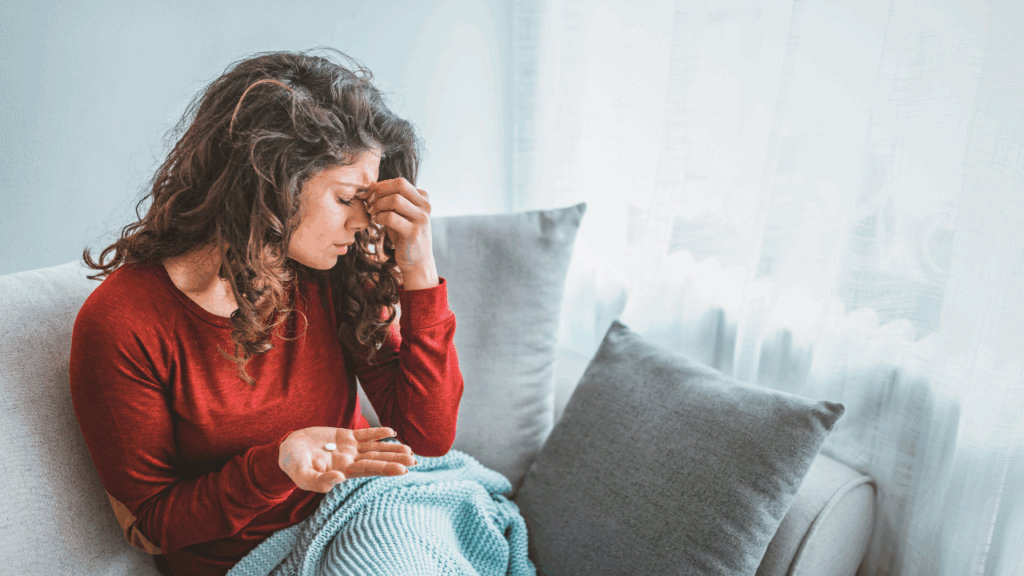
Pain is a universal human experience, but research shows that women often feel pain differently than men. These differences are not just about perception; they are influenced by biological, hormonal, psychological, and even social factors. Understanding these variations can help improve how pain is diagnosed, treated, and managed—especially in clinics that value personalized, gender-specific care.
In this article, we explore why women experience pain differently, highlight relevant research, and discuss how specialized pain management in Rowlett, TX, can make a difference.
Biological Differences in Pain Perception
One of the main reasons women and men respond differently to pain lies in biology. Women’s bodies have unique hormonal cycles, nerve structures, and immune responses that influence pain.
Hormonal Influence
Hormones like estrogen and progesterone play a significant role in how pain is felt and processed. For example:
- Estrogen can heighten pain sensitivity during certain phases of the menstrual cycle.
- Low estrogen levels, such as during menopause, can change how the body reacts to pain signals.
Nervous System Variations
Studies suggest that women may have more nerve receptors in certain areas, making them more responsive to pain stimuli. This means the same injury or condition might feel more intense for a woman than for a man.
Immune and Inflammatory Responses
Women’s immune systems can react differently to inflammation, sometimes leading to stronger or longer-lasting pain in conditions like arthritis or autoimmune disorders.
Psychological and Emotional Factors
Pain is not just physical—it’s emotional, too. Women are statistically more likely to experience conditions like anxiety and depression, which can amplify pain perception.
Pain and Mental Health Connection
Emotions influence how pain is processed in the brain. Chronic stress, mood disorders, and trauma history can intensify the brain’s pain signals.
Social and Cultural Influences
Society’s expectations sometimes discourage men from expressing pain, while women may feel more comfortable discussing discomfort. This can impact how quickly individuals seek treatment and how pain is addressed.
Research on Gender Differences in Pain Perception
Several studies have confirmed measurable differences between men’s and women’s pain responses:
- Women often report more severe pain than men for the same medical conditions.
- Certain chronic pain conditions, like fibromyalgia, migraines, and irritable bowel syndrome (IBS), are more common in women.
- Women respond differently to some medications, requiring personalized pain management strategies.
These findings underline the importance of gender-specific pain clinics that tailor treatments to the unique needs of each patient.
Common Pain Conditions That Affect Women More
Some conditions are not only more prevalent among women but also present differently:
- Fibromyalgia – Women are up to nine times more likely to be diagnosed.
- Migraines – Hormonal fluctuations can trigger frequent, severe headaches.
- Osteoarthritis – Women often experience more joint pain after menopause.
- Pelvic Pain Disorders – Endometriosis, ovarian cysts, and pelvic inflammatory disease cause chronic discomfort.
- Autoimmune Disorders – Conditions like lupus and multiple sclerosis occur more often in women.
The Importance of Personalized Pain Care
Because of these differences, working with a pain management specialist in Rowlett, TX, who understands gender-specific needs, can make all the difference.
At the Interventional Pain and Rehab Center, under the care of Dr. Hammad Baig – Pain Management Specialist in Rowlett, TX, patients benefit from an approach that combines:
- Thorough diagnosis tailored to each patient’s symptoms.
- Treatments adjusted for hormonal, biological, and lifestyle factors.
- Compassionate care that considers emotional and social influences.
If you or someone you love is struggling with chronic pain, contact us to explore customized treatment options.
How Gender-Specific Pain Management Works
Comprehensive Assessment
Your specialist will review your full medical history, symptoms, and lifestyle to understand the root causes of your pain.
Tailored Treatment Plans
Women may respond better to certain therapies or medications, and these differences guide treatment selection.
Multidisciplinary Approach
Pain care often involves:
- Medications tailored to hormonal influences.
- Physical therapy to address muscle and joint concerns.
- Interventional procedures for long-term relief.
- Counseling or stress-reduction therapies when needed.
Why Choose a Women’s Pain Specialist in Rowlett, TX
Choosing a women’s pain specialist in Rowlett, TX means partnering with a provider who understands:
- How to interpret symptoms within a female-specific context.
- The role of hormones in chronic and acute pain.
- How lifestyle and mental health intersect with pain management.
With the right specialist, you can feel heard, understood, and cared for.
Early Intervention Matters
Many women delay pain treatment because they normalize discomfort or put others’ needs first. However, early intervention can prevent pain from becoming chronic and harder to treat.
If you’ve been experiencing persistent discomfort, schedule an appointment today.
Conclusion
Why women feel pain differently than men is a complex issue shaped by biology, hormones, emotions, and social factors. Recognizing these differences is essential for effective pain management.
At the Interventional Pain and Rehab Center, Dr. Hammad Baig – Pain Management Specialist in Rowlett, TX provides personalized, compassionate care to help you get back to living life fully.
If pain is affecting your quality of life, contact us or book your appointment today.
FAQs
- Why do women feel pain more intensely than men?
Hormonal fluctuations, biological differences, and psychological factors often contribute to heightened pain perception in women. - Does estrogen increase pain sensitivity?
Yes, high estrogen levels can increase pain sensitivity, while low levels can change how pain is processed. - Are women more prone to chronic pain conditions?
Yes, conditions like fibromyalgia, migraines, and autoimmune disorders are more common in women. - Can men and women take the same pain medication?
Not always. Women may metabolize certain medications differently, requiring tailored prescriptions. - How do psychological factors affect women’s pain?
Anxiety, depression, and stress can amplify pain perception in both men and women, but these conditions are more common in women. - What is gender-specific pain management?
It’s an approach that considers biological, hormonal, and social differences to create customized pain treatment plans. - Can pregnancy change pain perception?
Yes, hormonal and physiological changes during pregnancy can alter how pain is experienced. - Is Rowlett, TX home to women’s pain specialists?
Yes, clinics like the Interventional Pain and Rehab Center offer specialized care for women. - How do I know if I need a pain management specialist?
If pain persists for more than a few weeks, disrupts daily activities, or worsens over time, you should seek professional care. - How can I make an appointment with Dr. Hammad Baig?
You can easily schedule through the appointment form or by visiting the contact page.
Disclaimer: This article is for informational purposes only and does not replace professional medical advice. Always consult a qualified healthcare provider for diagnosis and treatment of any medical condition.

Dr. Baig is a double-board-certified pain management specialist and anesthesiologist dedicated to improving patients’ quality of life. He completed his training at the University of Mississippi Medical Center, gaining expertise in advanced pain management techniques. With a compassionate and personalized approach, he helps patients find lasting relief from chronic pain, including back, joint, and nerve conditions. His goal is to restore comfort, mobility, and overall well-being through innovative, patient-centered care.
Make Appointment