Back pain is one of the most common reasons people seek medical attention, but not all back pain is the same. One of the most frequent sources of confusion is distinguishing between general back pain and sciatica. Understanding the difference between these two conditions can help you seek the right treatment and prevent long-term complications.
Understanding Back Pain
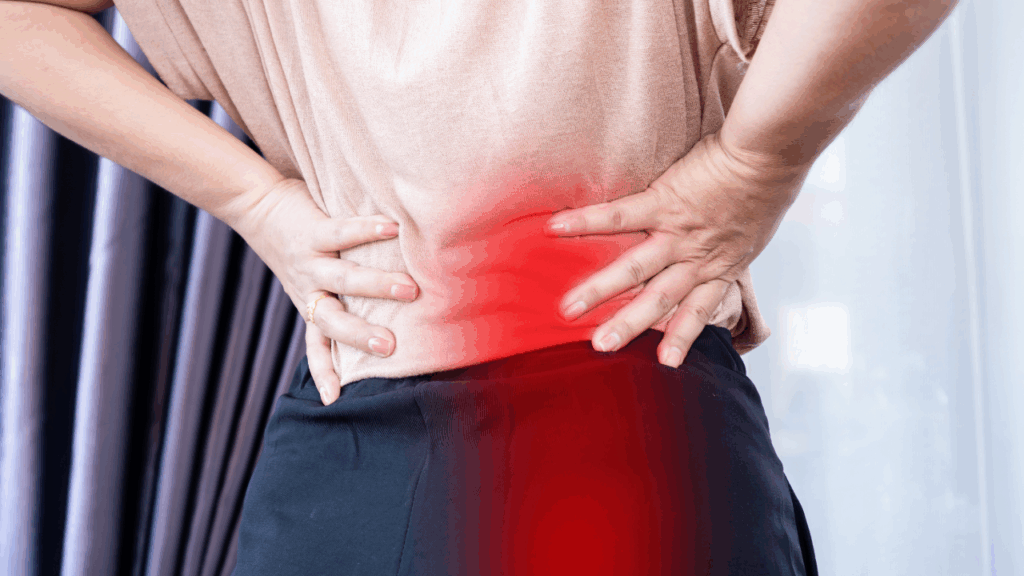
Back pain is a broad term used to describe discomfort that occurs anywhere along the spine—from the neck down to the lower back. It can result from muscle strain, ligament sprain, spinal arthritis, or degenerative disc disease. The pain may be localized or spread across a larger area, depending on the underlying cause.
Common Causes of Back Pain
- Muscle strain or overuse
- Poor posture or ergonomics
- Spinal arthritis
- Herniated or degenerative discs
- Traumatic injuries
At the Interventional Pain and Rehab Center (IPRC), our specialists evaluate the root cause of pain to create personalized, non-surgical treatment plans for lasting relief.
What Is Sciatica?
Sciatica refers to pain that originates in the lower back and travels down one or both legs, following the path of the sciatic nerve. This nerve runs from the lower spine through the hips, buttocks, and down the legs. When the nerve becomes compressed or irritated—often due to a herniated disc—it causes sharp, shooting pain, numbness, or tingling sensations.
Key Symptoms of Sciatica
- Sharp or burning pain radiating from the lower back to the legs
- Numbness or weakness in the leg or foot
- Pain that worsens when sitting or standing for long periods
- Tingling sensations or “pins and needles” in the affected leg
If you’re experiencing these symptoms, consulting a nerve pain doctor in Rowlett can help identify whether sciatica is the cause.
Sciatica vs Back Pain: Key Differences
While both conditions affect the back, there are distinct differences in their symptoms and causes.
| Feature | Back Pain | Sciatica |
| Pain Location | May occur anywhere along the spine | Usually starts in the lower back and radiates down one leg |
| Pain Type | Dull, aching, or stiff | Sharp, shooting, or electric shock-like pain |
| Nerve Involvement | Often muscular or structural | Involves compression of the sciatic nerve |
| Additional Symptoms | Muscle tightness or soreness | Numbness, tingling, or weakness in leg or foot |
| Typical Cause | Strain, poor posture, arthritis | Herniated disc, spinal stenosis, or nerve compression |
How to Know If It’s Sciatica
If your pain radiates from your lower back into your leg or foot, it’s likely sciatica. However, an accurate diagnosis requires physical examination and imaging tests like MRI or CT scans. At our Rowlett spine and pain clinic, Dr. Hammad Baig and his team use advanced diagnostic tools to pinpoint the source of your pain and design a tailored treatment plan.
Effective Treatments for Sciatica and Back Pain
Non-Surgical Options
- Medication Management – Anti-inflammatory drugs, nerve pain medications, and muscle relaxants help reduce discomfort.
- Physical Therapy – Stretching and strengthening exercises support spinal alignment and reduce pressure on nerves.
- Epidural Steroid Injections – Targeted injections help decrease inflammation around the affected nerves.
- Trigger Point or Nerve Blocks – Used to interrupt pain signals and provide long-lasting relief.
Lifestyle Adjustments
Simple daily habits can make a big difference in managing symptoms:
- Maintain good posture while sitting and standing
- Engage in low-impact exercises like walking or swimming
- Use ergonomic furniture or supportive cushions
- Avoid lifting heavy objects improperly
For persistent or severe pain, early consultation with a back pain specialist in Rowlett can prevent worsening symptoms and improve your recovery outcomes.
When to See a Doctor
Seek immediate medical attention if you experience:
- Severe or worsening leg pain
- Numbness or weakness in the legs
- Loss of bladder or bowel control (possible sign of cauda equina syndrome)
If these symptoms sound familiar, contact us today to schedule a consultation and get expert evaluation and care.
Your Road to Recovery Starts Here
At IPRC, we specialize in diagnosing and treating both sciatica and general back pain through advanced, minimally invasive techniques. Our mission is to help you regain comfort, mobility, and independence.
Take the first step toward lasting relief — book your appointment today with our experienced pain management team in Rowlett.
FAQs About Sciatica and Back Pain
1. Can sciatica go away on its own?
In some mild cases, sciatica may improve with rest and lifestyle changes, but persistent pain requires professional treatment.
2. What causes sciatica to flare up?
Prolonged sitting, poor posture, heavy lifting, or sudden movements can irritate the sciatic nerve and cause flare-ups.
3. Is back pain always related to sciatica?
No, not all back pain involves the sciatic nerve. Many cases are due to muscle or joint problems rather than nerve compression.
4. What is the best treatment for chronic sciatica?
A combination of physical therapy, medication management, and interventional treatments like epidural injections often provides the best results.
5. How can I prevent back or sciatic pain in the future?
Regular exercise, proper posture, and maintaining a healthy weight can significantly reduce the risk of back and nerve-related pain.
Disclaimer
This article is for educational purposes only and should not replace professional medical advice. Please consult a licensed healthcare provider for diagnosis and treatment of any medical condition.

Dr. Baig is a double-board-certified pain management specialist and anesthesiologist dedicated to improving patients’ quality of life. He completed his training at the University of Mississippi Medical Center, gaining expertise in advanced pain management techniques. With a compassionate and personalized approach, he helps patients find lasting relief from chronic pain, including back, joint, and nerve conditions. His goal is to restore comfort, mobility, and overall well-being through innovative, patient-centered care.
Make Appointment