Trigger point injections are a widely used treatment for relieving muscle pain, spasms, and chronic myofascial pain syndrome. While these injections are generally safe and effective, understanding the potential side effects can help patients prepare, recover, and maximize their outcomes. If you are in Rowlett, TX, our Rowlett pain management clinic offers comprehensive guidance on what to expect before, during, and after the procedure.
Understanding Trigger Point Injections
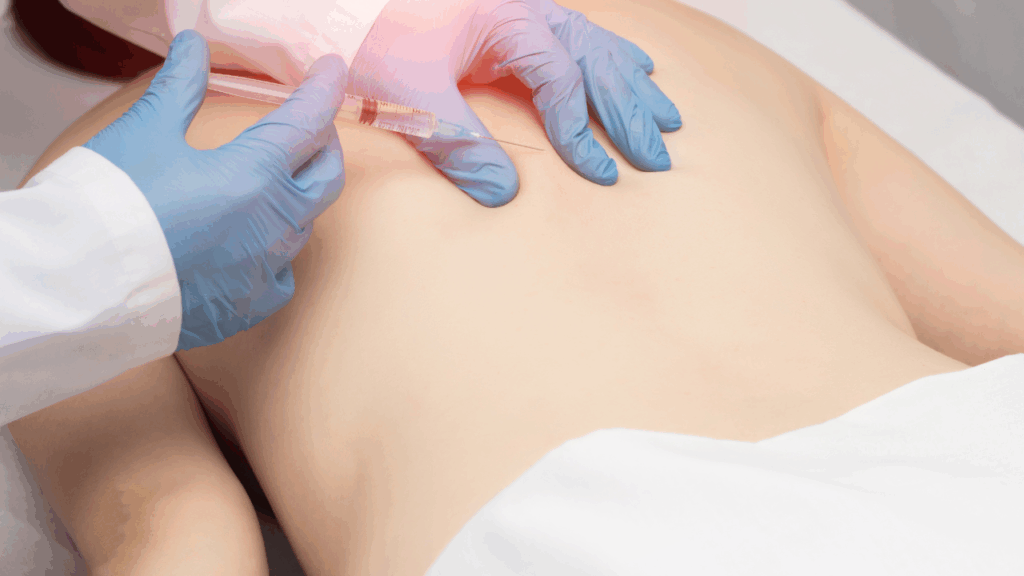
Trigger point injections involve administering a mixture of local anesthetic and corticosteroid directly into specific muscle knots or trigger points. The goal is to relieve pain, reduce inflammation, and restore proper muscle function. These injections are commonly used for:
- Chronic neck, shoulder, and back pain
- Muscle spasms and tightness
- Myofascial pain syndrome
- Sports injuries
- Postural muscle strain caused by repetitive movements or long hours at a desk
Our trigger point injection doctors near me in Rowlett develop individualized treatment plans to target the source of your pain and provide optimal relief.
How Trigger Point Injections Work
The injection works by numbing the painful area with a local anesthetic, while the steroid reduces inflammation over time. This dual approach allows for both immediate and longer-term relief. The effectiveness often increases when combined with physical therapy, stretching, and lifestyle modifications.
Common Side Effects
Even though trigger point injections are minimally invasive, patients may experience mild and temporary side effects. Knowing these can help you feel prepared and manage them effectively.
Localized Soreness
After the injection, it is common to feel soreness at the site. This usually resolves within a few days. Applying gentle ice packs can help alleviate discomfort.
Bruising and Redness
Minor bruising or redness may appear at the injection site, particularly for patients with sensitive skin or those on blood-thinning medications. This typically fades within a week.
Temporary Increase in Pain
Some patients experience a brief increase in pain after the injection. This is often due to the body’s response to the needle and the injected solution. Pain generally diminishes within a few days.
Mild Swelling
Slight swelling at the injection site is normal and usually temporary. Resting the area and avoiding strenuous activity helps reduce swelling.
Numbness or Tingling
The local anesthetic can cause temporary numbness or tingling in surrounding areas, which generally resolves on its own within hours.
Our muscle pain injection program Rowlett ensures that side effects are monitored and managed effectively, keeping patient safety a priority.
Rare Side Effects and Risks
Serious complications from trigger point injections are uncommon, but patients should be aware of them. Our Rowlett pain management clinic takes every precaution to minimize these risks.
Infection
Infection at the injection site is rare due to sterile technique. Signs of infection include persistent redness, swelling, warmth, or pus. If you notice any of these symptoms, contact our clinic immediately.
Allergic Reactions
Although rare, allergic reactions to anesthetic or steroid medications can occur. Symptoms may include rash, itching, or difficulty breathing. Our pain management consultants review your medical history carefully to prevent allergic complications.
Muscle Weakness
Temporary muscle weakness can occur in the treated area. This usually resolves within a few days as the muscle recovers.
Bleeding or Hematoma
Minor bleeding at the injection site can happen, particularly in patients taking blood-thinning medications. Inform your pain specialists Rowlett TX before the procedure to adjust your care plan if necessary.
Nerve Injury
Nerve injury is extremely rare but can occur if the injection is improperly administered. Skilled professionals at our trigger point injections near me clinic minimize this risk.
Other Potential Risks
Although rare, other side effects may include dizziness, fainting, or infection-related fever. Close post-procedure monitoring ensures that any complications are addressed promptly.
What to Expect After Trigger Point Injections
Immediate Aftercare
- Rest the injected area for 24–48 hours
- Apply ice to reduce soreness and inflammation
- Avoid heavy lifting or high-intensity activities
- Take over-the-counter pain relief if recommended by our pain management clinic near me
Duration of Pain Relief
The effects of trigger point injections can last from a few days to several months, depending on the patient and the severity of muscle tightness. Some individuals may require multiple sessions for optimal relief. Our Rowlett pain management clinic specialists evaluate your response to determine the best follow-up plan.
Combining Injections With Physical Therapy
For long-term benefits, combining trigger point injections with physical therapy is highly recommended. Therapy helps restore proper muscle function, improve posture, and reduce the risk of recurrent pain.
The Trigger Point Injection Procedure Explained
Step 1: Assessment
Our pain management consultants perform a detailed evaluation to locate trigger points accurately. This includes:
- Physical examination and palpation of muscles
- Patient history review
- Assessment of pain patterns and limitations
Step 2: Preparation
- Clean and sterilize the injection site
- Position the patient comfortably to access the affected muscle
- Discuss the procedure to reduce anxiety and answer questions
Step 3: Injection
- A fine needle is used to inject the mixture of local anesthetic and steroid directly into the trigger point
- The needle is carefully withdrawn, and a small bandage is applied
Step 4: Post-Procedure Monitoring
Patients are observed briefly to ensure there is no immediate reaction. Most individuals can resume light activities the same day.
Managing Pain and Recovery
- Use ice or heat as recommended to reduce discomfort
- Keep a pain diary to track improvement
- Report any unusual or prolonged side effects to your trigger point injection specialist Rowlett TX
- Follow exercise and stretching guidance provided by your pain management consultants
Recovery is generally quick, and most patients notice significant relief within a few days. For chronic conditions, multiple injections combined with therapy may provide sustained improvement.
For expert guidance on trigger point injections, side effect management, and long-term relief, contact our Rowlett pain management clinic or schedule an appointment with our experienced pain management consultants today.
FAQs
- Do trigger point injections hurt?
Patients may feel minor discomfort, but local anesthetic minimizes pain. - How long do trigger point injections last?
Effects can last from a few days up to several months, depending on the individual. - Are trigger point injections safe?
Yes, when performed by trained specialists, the procedure is generally safe. - What are common side effects?
Localized soreness, bruising, mild swelling, numbness, or temporary increase in pain. - What are rare complications?
Infection, allergic reactions, temporary muscle weakness, nerve injury, or bleeding. - Can I continue normal activities afterward?
Light activity is typically allowed; avoid strenuous exercise for 1–2 days. - How many injections will I need?
It depends on your condition. Some patients require a series of injections. - Should I combine injections with therapy?
Yes, physical therapy enhances the effectiveness of trigger point injections. - How do I schedule a trigger point injection?
You can schedule an appointment or contact us for guidance. - Are trigger point injections suitable for everyone?
Your doctor will review your health history to determine if the treatment is appropriate.
Disclaimer
This article is for educational purposes only and is not a substitute for professional medical advice. Always consult a healthcare provider before starting or changing any treatment plan.

Dr. Baig is a double-board-certified pain management specialist and anesthesiologist dedicated to improving patients’ quality of life. He completed his training at the University of Mississippi Medical Center, gaining expertise in advanced pain management techniques. With a compassionate and personalized approach, he helps patients find lasting relief from chronic pain, including back, joint, and nerve conditions. His goal is to restore comfort, mobility, and overall well-being through innovative, patient-centered care.
Make Appointment